May 12, 2026
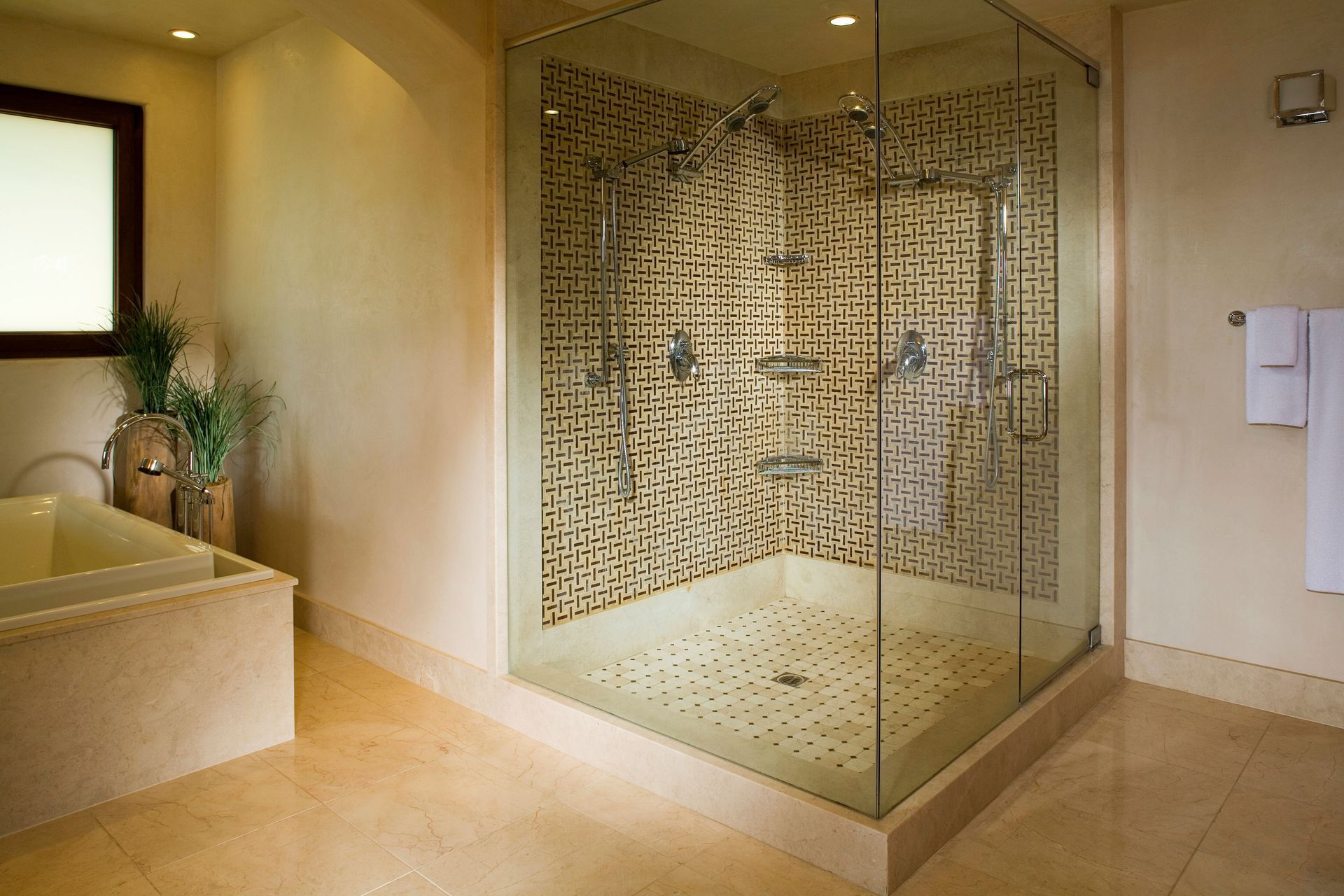
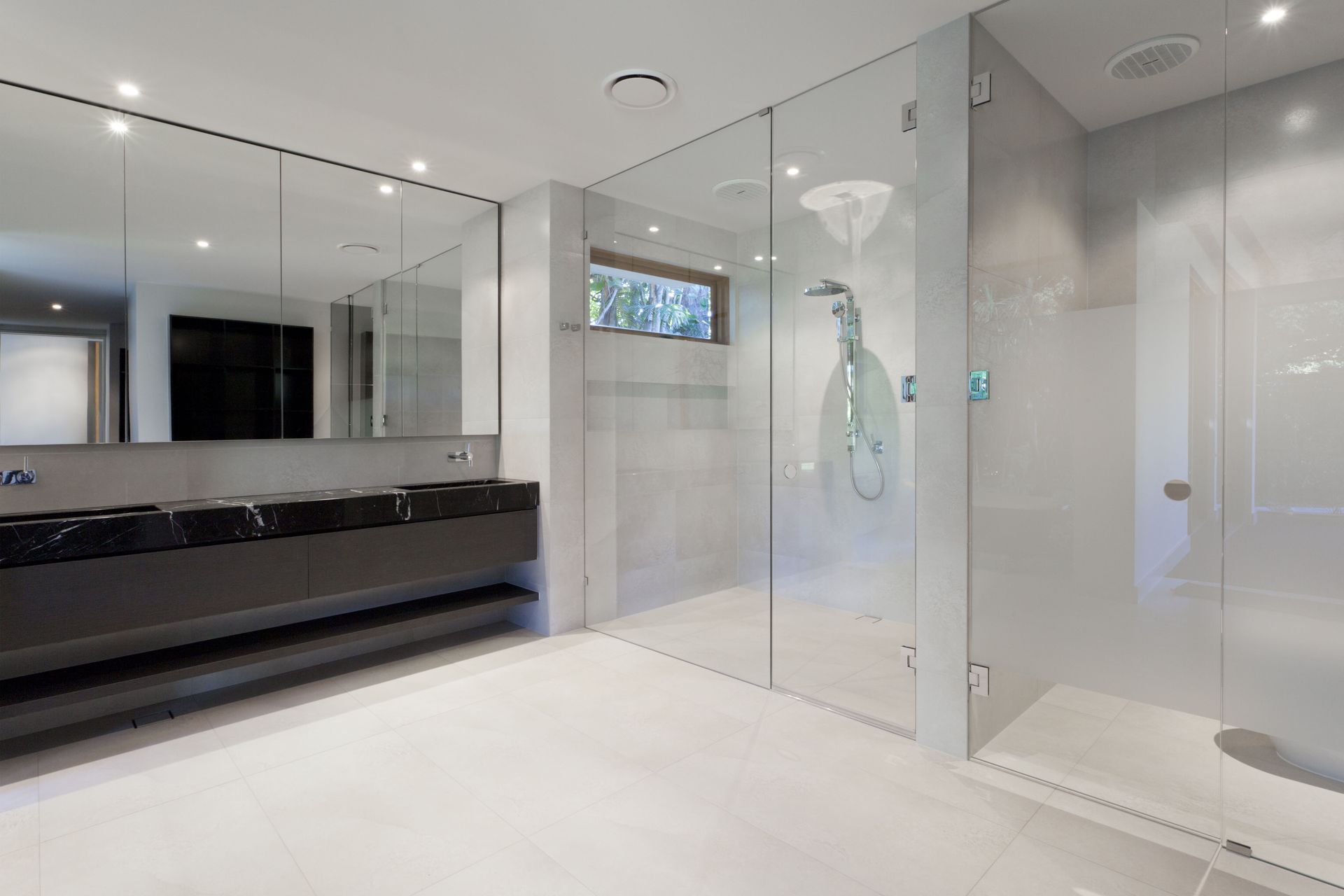
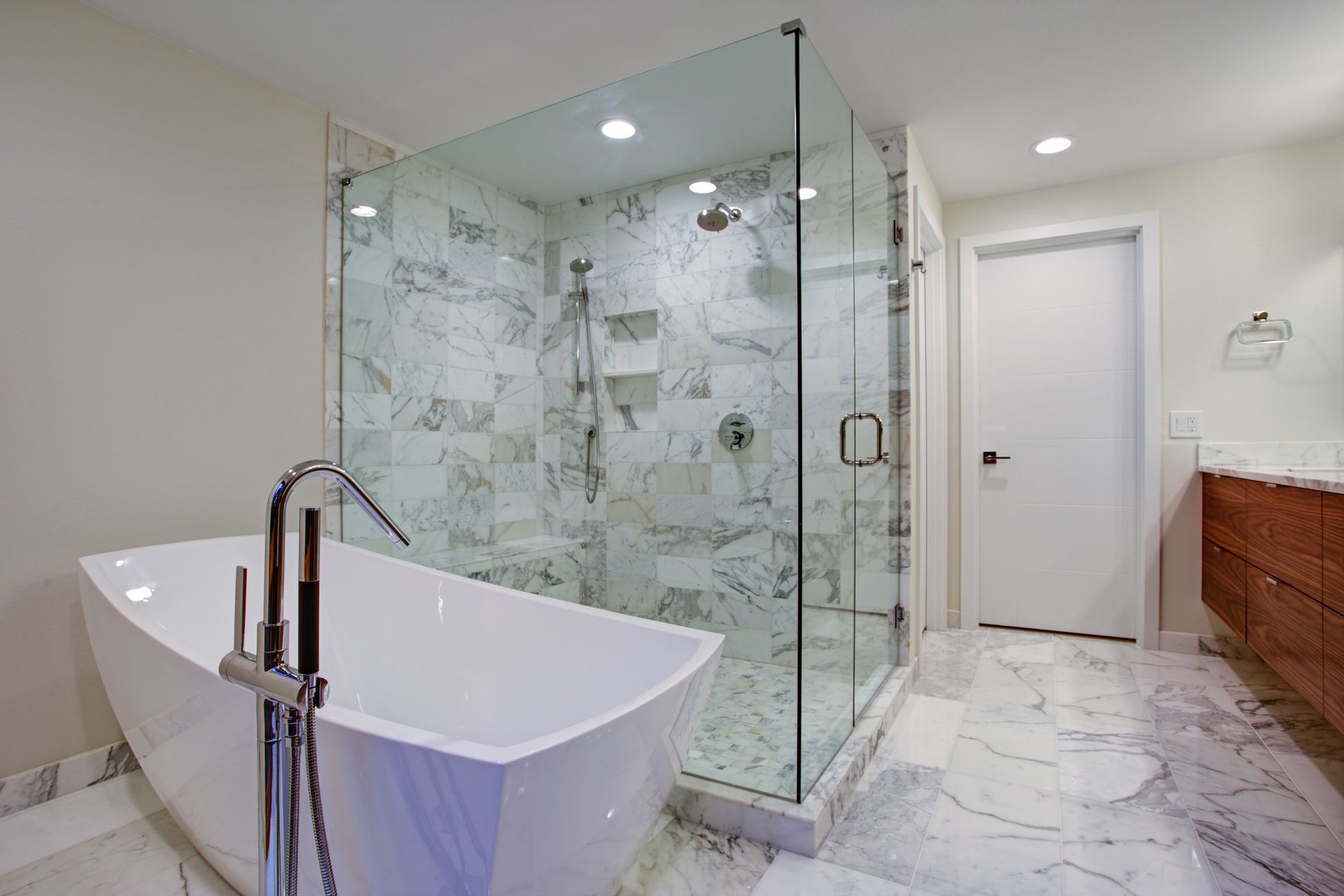
Upgrading your bathroom with a custom frameless shower door is one of the most effective ways to increase your home's value and create a spa-like atmosphere. This modern architectural choice eliminates bulky metal frames, allowing the beauty of your tile work to shine through while making small spaces feel significantly larger. Understanding the various price drivers ensures that you can plan your renovation budget effectively without encountering unexpected financial hurdles.
Evaluating the Initial Glass Selection
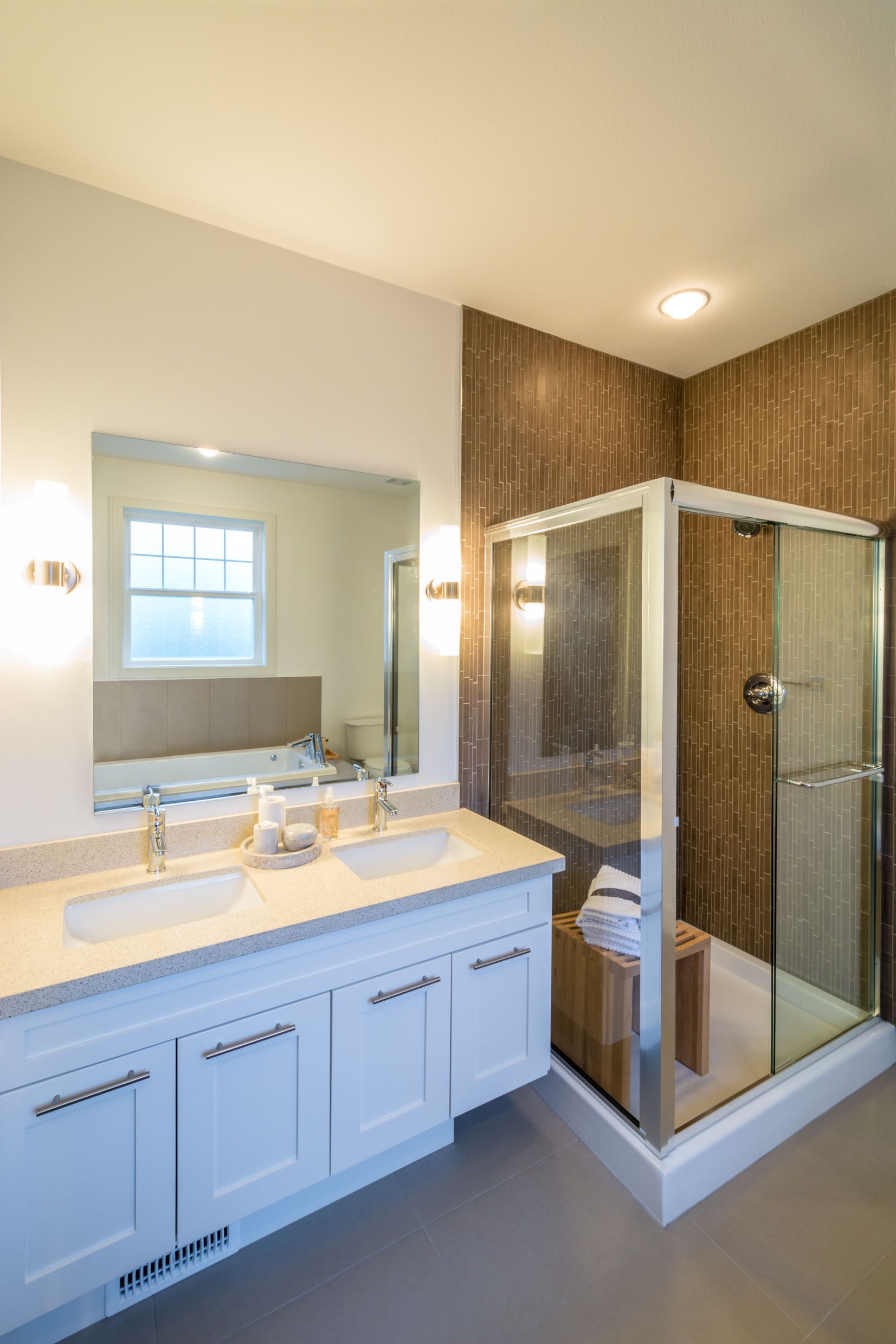
The primary component of any custom frameless shower door is the glass itself, which serves as both the structural element and the visual centerpiece. Unlike standard framed doors that use thinner glass supported by aluminum, frameless versions require tempered safety glass that is significantly thicker, typically ranging from 3/8-inch to 1/2-inch. The thickness is non-negotiable because the glass must be heavy enough to support its own weight and resist bowing without the help of a perimeter frame.
Beyond thickness, the type of glass clarity you choose will impact the bottom line. Standard clear glass has a slight green tint due to iron content, which becomes more visible at the edges of thicker panes. Many homeowners opt for low-iron glass, which offers crystal-clear transparency but comes at a premium price. If privacy is a concern, frosted, rain, or acid-etched textures are available, though these custom finishes add to the manufacturing complexity and overall expense of your custom frameless shower door.
Analyzing the Fabrication and Customization Process
Precision is the hallmark of a high-quality custom shower door, and the labor-intensive fabrication process reflects this reality. Every piece of glass must be cut to the exact dimensions of your specific shower opening, which is rarely perfectly square or level. Professional installers perform "out-of-plumb" measurements, ensuring the glass is ground to follow the subtle curves or slants of your walls for a water-tight fit.
Fabrication also includes the drilling of holes for hinges and handles, as well as the polishing of all exposed edges. Because tempered glass cannot be cut or drilled once it has undergone the heat-strengthening process, any error in the initial measurements or fabrication means the entire piece must be scrapped and remade. This high stakes requirement for accuracy is a significant reason why custom work commands a higher price point than off-the-shelf kits found at big-box retailers. According to This Old House, frameless shower doors can cost up to $2,900 because it has heavier glass, is custom-made, and requires special mounting hardware.
Understanding the Hardware and Structural Requirements
The hardware for a custom frameless shower door is not merely decorative; it is heavy-duty engineering designed to secure massive glass panels safely. Because there is no frame to distribute the weight, the hinges must be anchored directly into the wall studs or reinforced blocking behind the tile. Using substandard hardware in a frameless application is a safety risk, as the sheer weight of a 1/2-inch glass door can lead to sagging or structural failure over time.
Finishes also play a role in the cost hierarchy. Standard finishes like chrome or brushed nickel are generally the most affordable and readily available. However, if your bathroom design calls for trendy matte black, oil-rubbed bronze, or polished gold, expect the hardware costs to rise. Furthermore, specialized components such as header bars for wide enclosures or glass-to-glass hinges for complex angles add layers of technical difficulty and material cost to the final invoice.
Assessing the Professional Installation Complexity
While DIY projects are popular for many home improvements, installing a custom frameless shower door is a task best left to specialists. The installation requires at least two people to handle the heavy glass panels, which are incredibly fragile at the corners before they are mounted. A single bump against a tile floor can cause the entire tempered pane to shatter into thousands of small pieces, representing a total loss of the material investment.
Installers must also apply high-grade silicone sealants and ensure that the door swing has the proper clearance to prevent leaks while maintaining a sleek aesthetic. The time required for a professional crew to transport, stage, and secure these heavy units is a major component of the labor fee. Most reputable companies also provide a warranty on the installation, giving homeowners peace of mind that the structural integrity of the glass is guaranteed for years to come.
Considering Long-Term Maintenance and Coatings
To preserve the pristine look of a glass enclosure, many homeowners invest in factory-applied protective coatings. These hydrophobic treatments create a permanent bond with the glass surface that repels water, oil, and soap scum, effectively making the surface non-stick. While this adds a few hundred dollars to the upfront cost, it significantly reduces the time spent cleaning and prevents the long-term "clouding" or permanent "stage-one corrosion" caused by hard water minerals etching into the glass surface. Without this barrier, minerals like calcium and magnesium can chemically bond with the glass, leading to a hazy appearance that no amount of scrubbing can fully remove.
Maintaining the hardware is equally important for the longevity of the system and the safety of your household. Over time, the heavy glass may require minor hinge adjustments to ensure the door remains perfectly centered in the opening and doesn't scrape against the floor or adjacent panels. You should also regularly inspect the gaskets and seals to ensure they haven't become brittle or displaced. Budgeting for high-quality components and protective treatments at the start is often more cost-effective than dealing with the labor costs of deep cleaning or hardware replacement five or ten years down the road. A well-maintained system can easily last the lifetime of the bathroom, retaining its smooth operation and sparkling clarity.
Comparing Market Variables and Regional Pricing
Finally, the geographic location of your home and current market trends will influence the final price. In metropolitan areas where labor rates are higher and demand for luxury renovations is at its peak, prices will naturally skew toward the higher end of the spectrum due to increased overhead and logistical challenges. Additionally, the complexity of the shower's footprint will necessitate more materials and more precise engineering to ensure a steam-tight seal. Supply chain fluctuations for specific metals or glass types can also cause temporary price spikes that vary by region.
It is always advisable to obtain multiple quotes from local glass specialists rather than general contractors. Glass shops have the specialized tools and direct relationships with tempering plants to provide the best value and technical expertise, often cutting out the middleman markup. These experts can also identify structural issues in your bathroom that might require additional reinforcement before installation begins. By understanding that you are paying for a blend of high-grade raw materials, precision engineering, and expert labor, you can appreciate the value that this upgrade brings to your daily life and your home's resale potential. A well-executed installation not only looks beautiful but also functions flawlessly for decades.
Investing in a custom frameless shower door is a significant decision that blends aesthetic luxury with structural necessity. By accounting for glass thickness, hardware quality, and professional labor, you can navigate the pricing landscape with confidence. This stunning addition will ultimately transform your bathroom into a modern sanctuary that stands the test of time. If you are looking for a reliable glass company, contact ClearView Glass Company to learn more and get started today!